

Methylene Blue vs NAD+: How Each One Works and Whether People Take Them Together
Quick Answer
Methylene blue and NAD+ both show up in the same part of the cell, the mitochondrial energy chain, but they do different things there. NAD+ is a coenzyme your body already makes and uses in many reactions; as NADH it carries electrons into the chain (Verdin, Science, 2015). Methylene blue is a compound that can pick up electrons from NADH and pass them further down the chain to cytochrome c (Atamna et al., FASEB Journal, 2008). NAD+ supplements are usually precursors like NMN or NR, which the body turns into NAD+.
- In people, NMN and NR reliably raise NAD+ markers in the blood, but a 2026 systematic review found the effects on function, metabolism, and other healthspan outcomes were mixed and often null (Gallagher and Emmanuel, Ageing Research Reviews, 2026).
- Human data on methylene blue for energy or focus is small. The best-known trial gave 26 healthy adults a single low dose and measured brain activity on MRI one hour later (Rodriguez et al., Radiology, 2016).
- We found no human study that tested methylene blue and an NAD+ precursor together. The only study of the pair was in rats.
- Their safety profiles differ. The FDA label for methylene blue injection carries a boxed warning about serotonin syndrome with serotonergic drugs; NMN trials so far have not shown more side effects than placebo in the short term (Yang et al., Nutrients, 2026).
Important: This is not medical advice. If you take any prescription medication, check it against the full adverse medications list and talk with your healthcare provider before using methylene blue.
Article Outline
| |||||||||||||||||||||||||||||||||||||||
Two Different Jobs in the Same Energy System

Your mitochondria make energy by passing electrons down a chain of protein complexes. Food gets broken down, and the electrons from it are loaded onto NAD+, which turns it into NADH. NADH then drops those electrons off at the start of the chain, at Complex I. Verdin's 2015 review in Science describes NAD+ as a coenzyme found in all living cells that carries electrons from one reaction to another, and also as fuel for other enzymes, including the sirtuins and PARPs that handle DNA repair (Verdin, Science, 2015).
Methylene blue is not something your body makes. It is a redox compound, meaning it flips between an oxidized (blue) form and a reduced (colorless) form. Atamna and colleagues found that enzymes in the cell use NADH or NADPH to reduce methylene blue, and cytochrome c then takes the electrons back, so it cycles between the two forms inside the mitochondria (Atamna et al., FASEB Journal, 2008). A 2012 review from the University of Texas describes it at low doses as an electron cycler in this chain (Rojas, Bruchey and Gonzalez-Lima, Progress in Neurobiology, 2012).
Think of NAD+ as the regular delivery truck and methylene blue as a detour route that uses what the truck brings. Because they are different kinds of things, "which one is better" is harder to answer than it sounds. Our post on how methylene blue works walks through the chain step by step if you want more detail.
| NAD+ | Methylene blue | |
|---|---|---|
| What it is | A coenzyme the body makes from vitamin B3 forms | A synthetic redox compound, originally made as a dye |
| Role in the energy chain | Carries electrons (as NADH) into Complex I | Takes electrons from NADH and hands them to cytochrome c |
| Other jobs | Fuel for sirtuins and PARP DNA-repair enzymes | Inhibits the enzyme MAO-A, which is why it interacts with some antidepressants |
| Usual supplement form | Precursors (NMN, NR, nicotinamide); IV NAD+ in some clinics | Low-dose capsules or liquid |
Sources: Verdin 2015; Atamna et al. 2008; Ramsay, Dunford and Gillman 2007 (MAO-A).
That last point about MAO-A matters later, so keep it in mind: methylene blue is a potent, reversible inhibitor of monoamine oxidase A (Ramsay, Dunford and Gillman, British Journal of Pharmacology, 2007).
What "NAD+ Supplements" Actually Are
Most products sold as NAD+ boosters don't contain NAD+ itself. They contain building blocks the body converts into NAD+. The two that get studied most are nicotinamide riboside (NR) and nicotinamide mononucleotide (NMN). Nicotinamide, a plain form of vitamin B3, is a third.
The reason people buy them is the idea that NAD+ falls with age. There is some human data behind that. In skin samples from 49 people aged newborn to 77, NAD+ levels dropped as age went up, in both men and women (Massudi et al., PLoS One, 2012). That is one tissue in one study, and two of the authors ran an NAD-related startup, which the paper discloses.
Whether the pills raise NAD+ is better established. In the first human pharmacokinetic trial of NR, single doses raised the blood NAD+ metabolome in a dose-dependent way (Trammell et al., Nature Communications, 2016). That trial was sponsored by ChromaDex, the company that sells NR, and the paper says so.
IV NAD+ drips are a separate category. The 2026 Ageing Research Reviews review looked for trials of intravenous or intramuscular NAD+ for anti-aging or wellness and found none that met its criteria; the only IV data it found was pharmacokinetic or short-term safety information (Gallagher and Emmanuel, 2026).
What Human Trials Show for NMN and NR

Raising NAD+ in the blood has been shown over and over. Getting a measurable change in how people feel or perform is a different matter.
| Study | Who | What it found |
|---|---|---|
| Martens et al., 2018 | Healthy middle-aged and older adults, 2 x 6-week crossover | NR was well tolerated and raised NAD+ metabolism; blood pressure and arterial stiffness flagged for future study |
| Elhassan et al., 2019 | 12 older men, 21 days, crossover | NR raised the muscle NAD+ metabolome and lowered some inflammatory markers, with no change in mitochondrial energy output |
| Dollerup et al., 2020 | 40 middle-aged men with obesity and insulin resistance, 12 weeks | NR did not change muscle mitochondrial respiration, content, or structure |
| Yoshino et al., 2021 | Postmenopausal women with prediabetes who were overweight, 10 weeks | NMN increased muscle insulin sensitivity compared with placebo |
| Prokopidis et al., 2025 (meta-analysis) | Randomized trials in adults with mean age over 60 | Evidence does not support NMN or NR for preserving muscle mass and function |
| Yang et al., 2026 (meta-analysis) | 15 randomized NMN trials | No increase in side effects short term; no broad metabolic benefits |
Sources: Martens 2018, Elhassan 2019, Dollerup 2020, Yoshino 2021, Prokopidis 2025, Yang 2026.
Put together, the 2026 systematic review counted 33 human intervention studies and summed it up this way: NR and NMN consistently hit their biochemical target and were generally well tolerated over weeks to months, but effects on functional, metabolic, and vascular outcomes were mixed and often null (Gallagher and Emmanuel, 2026).
The Dollerup and Elhassan results are worth a second look if your interest is energy. Both looked directly at muscle mitochondria, and neither saw mitochondria working any harder after NR (Dollerup et al., Journal of Physiology, 2020; Elhassan et al., Cell Reports, 2019).
What Human Studies Show for Methylene Blue
Methylene blue has a long history as a prescription drug, but research on low doses in healthy people is thin. Most of the energy and brain research is in cells and animals, which the 2012 Rojas review lays out in detail (Rojas et al., 2012).
The cell work is where the mitochondrial findings come from. In a line of human fibroblasts (IMR90) grown in a dish, very low concentrations of methylene blue raised Complex IV activity by 30% and oxygen use by 37 to 70%, and the cells kept dividing for more than 20 extra population doublings before they aged out (Atamna et al., 2008). Those were cells in a dish, and nobody has shown the same thing in people.
The most cited human study is a randomized, double-blind, placebo-controlled trial at the University of Texas. Twenty-six healthy adults aged 22 to 62 took one low oral dose or a placebo and were scanned with functional MRI before and one hour after. The methylene blue group showed more brain activity during attention and short-term memory tasks and gave 7% more correct answers on memory retrieval (Rodriguez et al., Radiology, 2016).
That is an interesting result, but it was one dose, one hour, and 26 people. We did not find long-term trials of low-dose methylene blue for everyday energy in healthy adults. Compared with NMN and NR, which had 28 randomized trials in the 2026 review count plus two meta-analyses, the methylene blue human record is smaller.
Methylene Blue vs NAD+ for Energy: Side by Side
| Question | NAD+ precursors (NMN, NR) | Methylene blue |
|---|---|---|
| Raises its target in people? | Yes, blood NAD+ markers go up in many trials | Not measured the same way; human trials look at brain activity or task scores |
| Shown to change energy or performance in people? | Mostly no; results mixed and often null (2026 review) | One single-dose MRI trial showed more brain activity and better memory retrieval |
| Size of the human evidence | 28 randomized trials counted in the 2026 review, plus two meta-analyses | A handful of small trials at low doses |
| Main safety flag | No increase in side effects in short-term NMN trials (Yang 2026) | Boxed warning for serotonin syndrome with serotonergic drugs; G6PD deficiency is a contraindication |
Sources: Gallagher and Emmanuel 2026; Yang et al. 2026; Rodriguez et al. 2016; Provayblue prescribing information on DailyMed.
If you just want the higher-volume evidence, NAD+ precursors have more trials. If you want the one that acts directly on the electron chain in lab studies, that is methylene blue. Neither has strong proof that it makes a healthy person feel more energetic day to day, and anyone telling you otherwise is ahead of the research.
The safety row is the one people skip. The Provayblue (methylene blue injection) label on DailyMed carries a boxed warning that methylene blue may cause serious or fatal serotonin syndrome when used with serotonergic drugs and opioids, and the FDA issued a Drug Safety Communication about it in 2011. Our drug interactions guide covers that in detail.
Can You Take Methylene Blue and NAD+ Together?

People stack them because the chemistry seems to fit. A 1993 lab study showed methylene blue oxidizes NADH back into NAD+ (Helander, Cronholm and Tottmar, Biochemical Pharmacology, 1993), and Atamna's work shows it draws its electrons from NADH in the first place (Atamna et al., 2008). The theory goes like this: the precursor raises the NAD+ pool, and methylene blue keeps recycling NADH back to NAD+ while it moves electrons along.
That theory has not been tested in people. We searched PubMed in November 2026 for methylene blue together with NAD+, NMN, or nicotinamide riboside and found no human trial of the combination.
The closest thing is a 2026 rat study. Researchers gave rats a bacterial toxin to cause severe inflammation, then treated them with NAD, methylene blue, or both. Each one on its own reduced brain inflammation and oxidative stress markers, and the combination added some benefit on certain measures (Doganay et al., Naunyn-Schmiedeberg's Archives of Pharmacology, 2026). That is useful for researchers. It tells you very little about a healthy person taking two supplements in the morning.
Our take: We sell methylene blue, and we still can't point you to a study showing the stack works better than either one alone. If you want to try both, bring the idea to your doctor first, especially if you take any prescription medication.
One practical note: because methylene blue inhibits MAO-A, the medication check comes first, before NAD+ even enters the picture. Run everything you take against the adverse medications list.
Who Methylene Blue Is Not For
The FDA label for methylene blue injection (Provayblue) carries a boxed warning that it may cause serious or fatal serotonin syndrome when used with serotonergic drugs and opioids, and the FDA issued a Drug Safety Communication in 2011 about serious reactions in people taking serotonergic psychiatric medications.
Do not take methylene blue if you are currently using:
- SSRIs, SNRIs, or MAOIs (the FDA label warns of serotonin syndrome)
- Tramadol, linezolid, bupropion, trazodone, or other serotonergic medications
- Opioids, which the Provayblue boxed warning also names
- St. John's Wort, 5-HTP, or SAMe
The Provayblue label also lists glucose-6-phosphate dehydrogenase (G6PD) deficiency as a contraindication because of the risk of hemolytic anemia, so people with G6PD deficiency should not take it. It is also not for pregnant or nursing women or for children, and people with liver conditions should talk with a doctor first.
Review the full adverse medications list and our drug interactions guide, and consult your healthcare provider before starting methylene blue in any form.
Which Nutricel Product Is Right for You
Every Nutricel product uses USP-grade methylene blue and is manufactured in an GMP certified facility in the United States. Lab reports for our capsule formulas are published on our certs page. The difference between the products is the format and what is built in alongside the methylene blue.
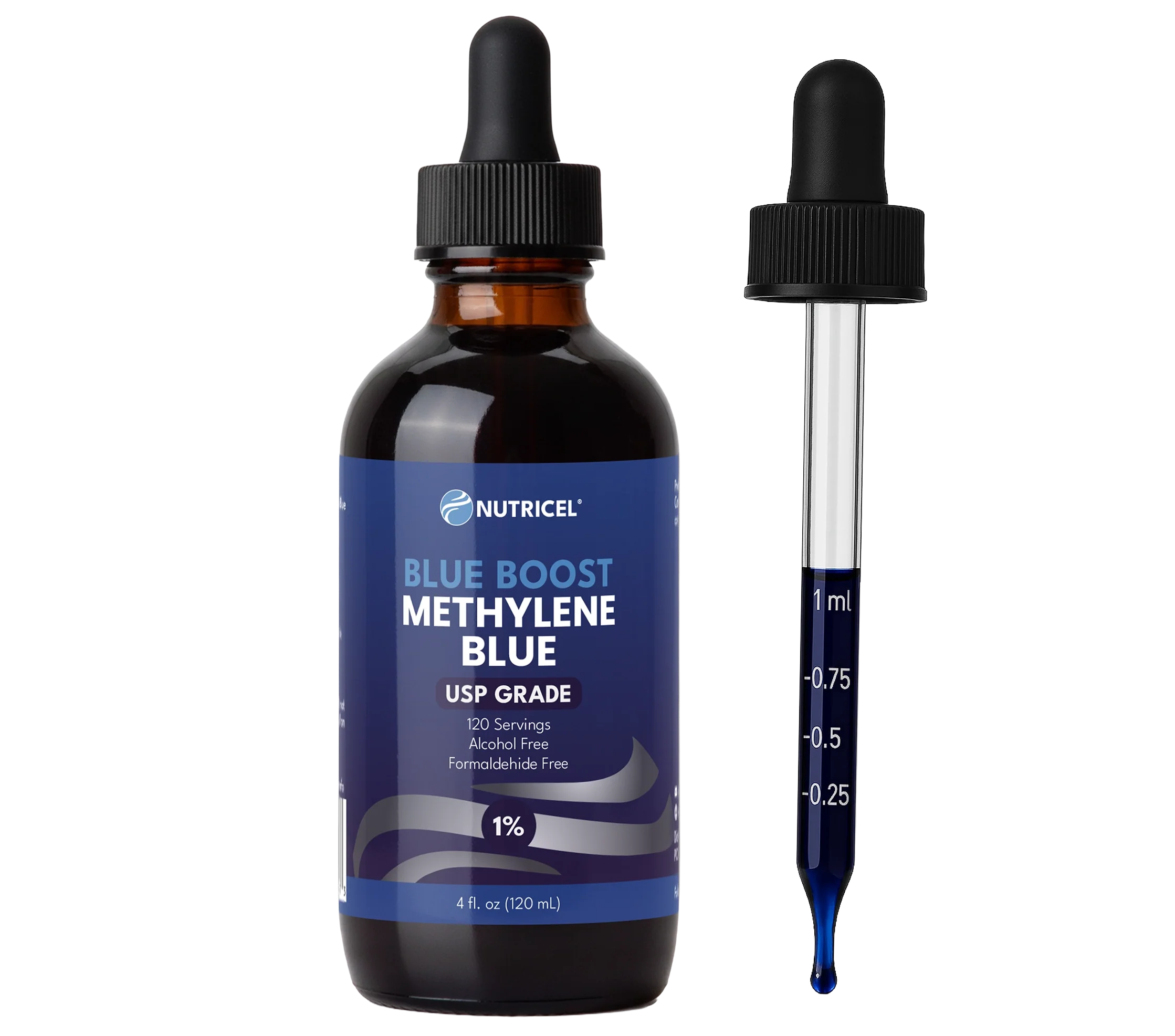
Blue Liquid is a 1% solution (10 mg per mL) in purified water, in a 120 mL amber plastic bottle with a graduated dropper, for people who want to measure their own amount.
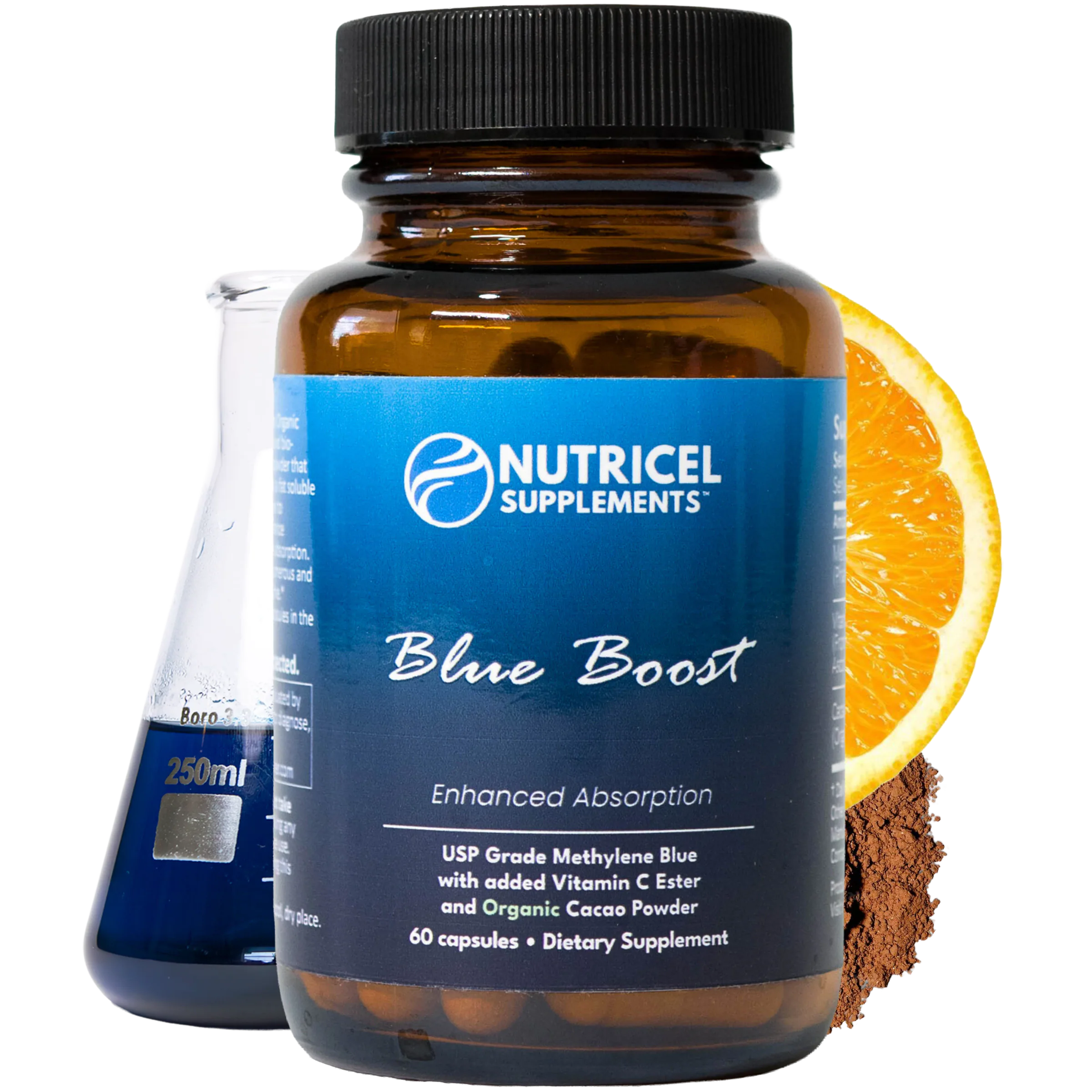
Blue Boost is Nutricel's core formula: 12 mg of methylene blue per capsule with vitamin C ester and organic cacao. No measuring and no staining.
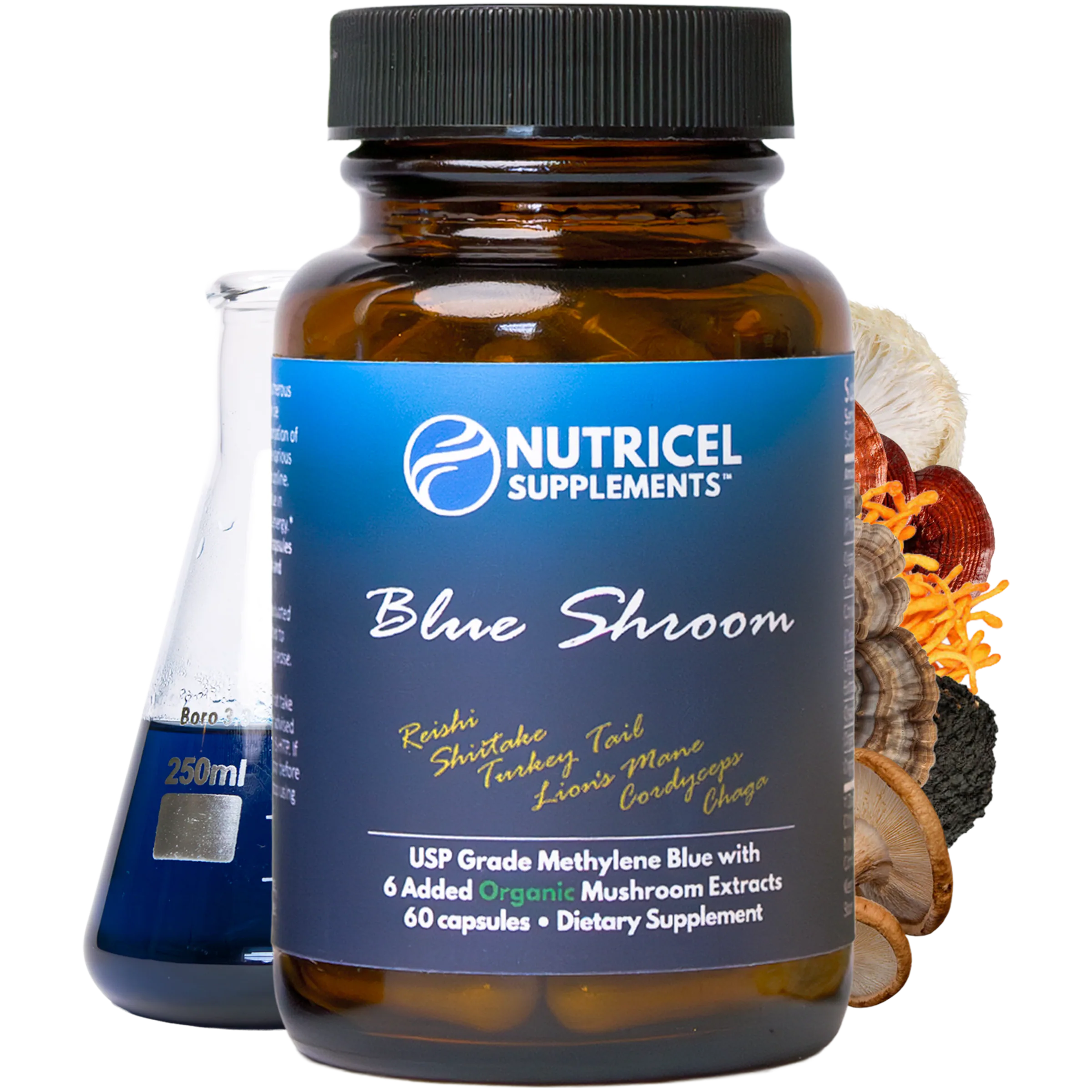
Blue Shroom pairs methylene blue with six organic mushroom extracts including lion's mane, reishi, cordyceps, chaga, shiitake, and turkey tail.
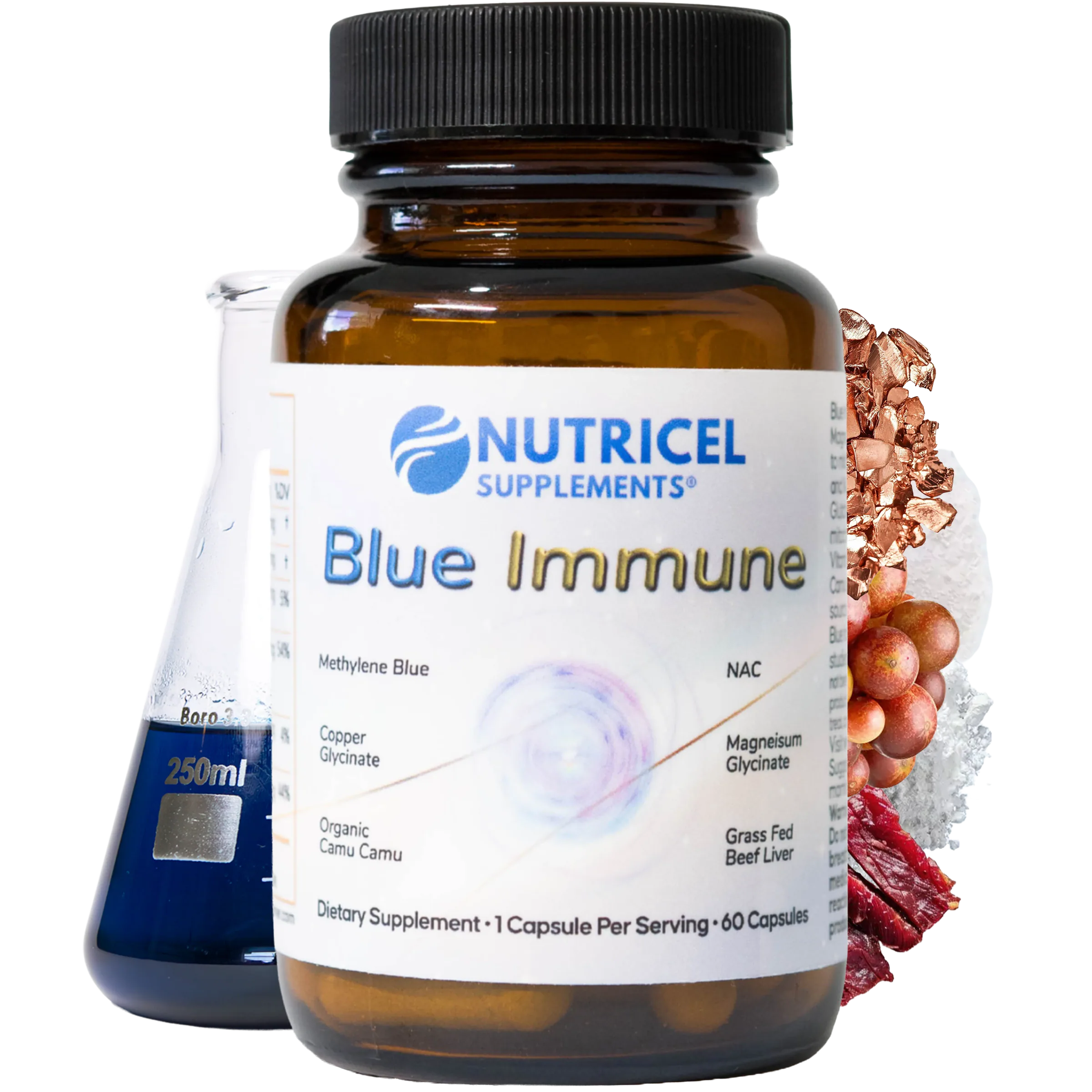
Blue Immune combines methylene blue with copper, magnesium, NAC, grass-fed beef liver, and camu camu for cellular and immune function support.
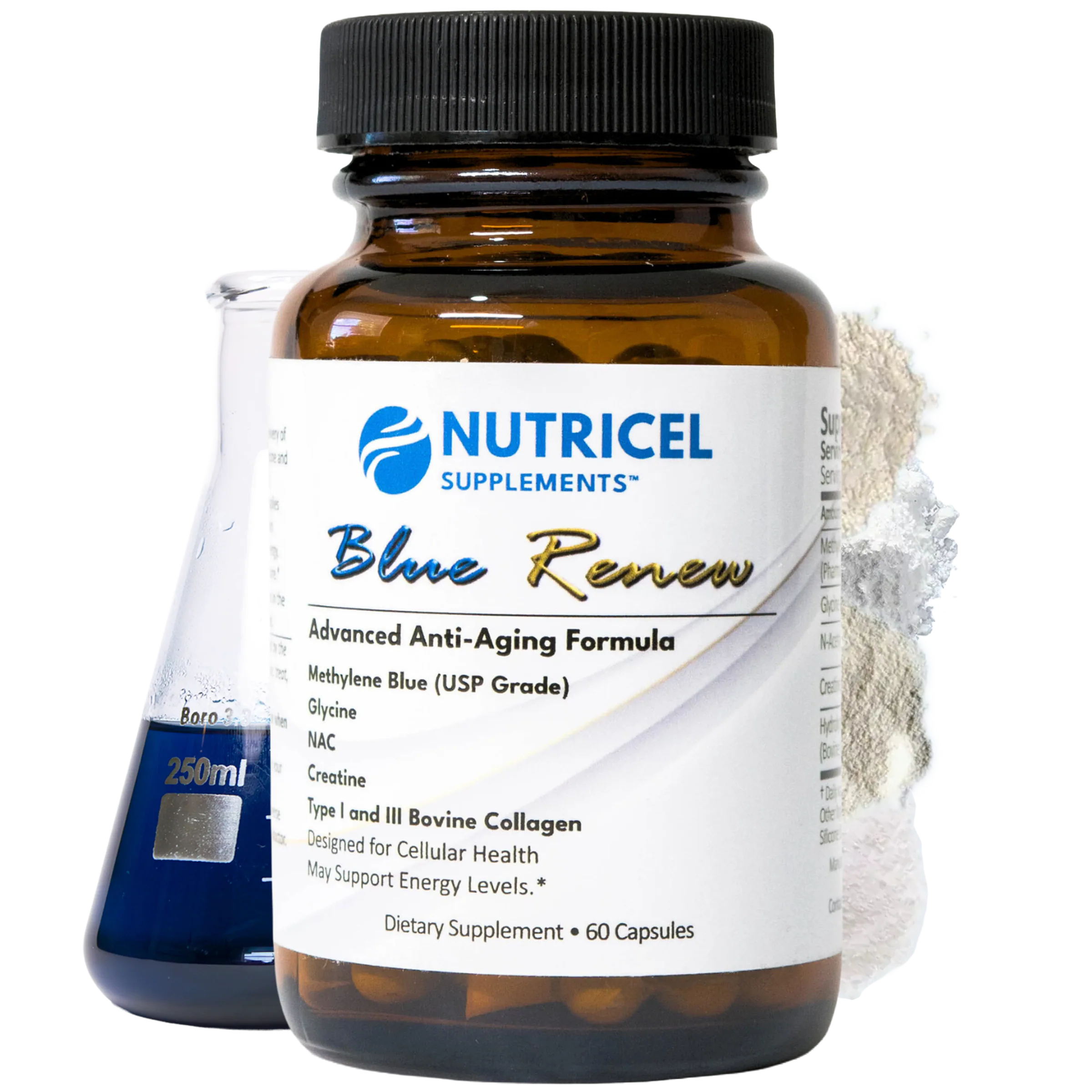
Blue Renew is built around GlyNAC (glycine and N-acetyl cysteine) with collagen and creatine, for healthy aging and brain support.
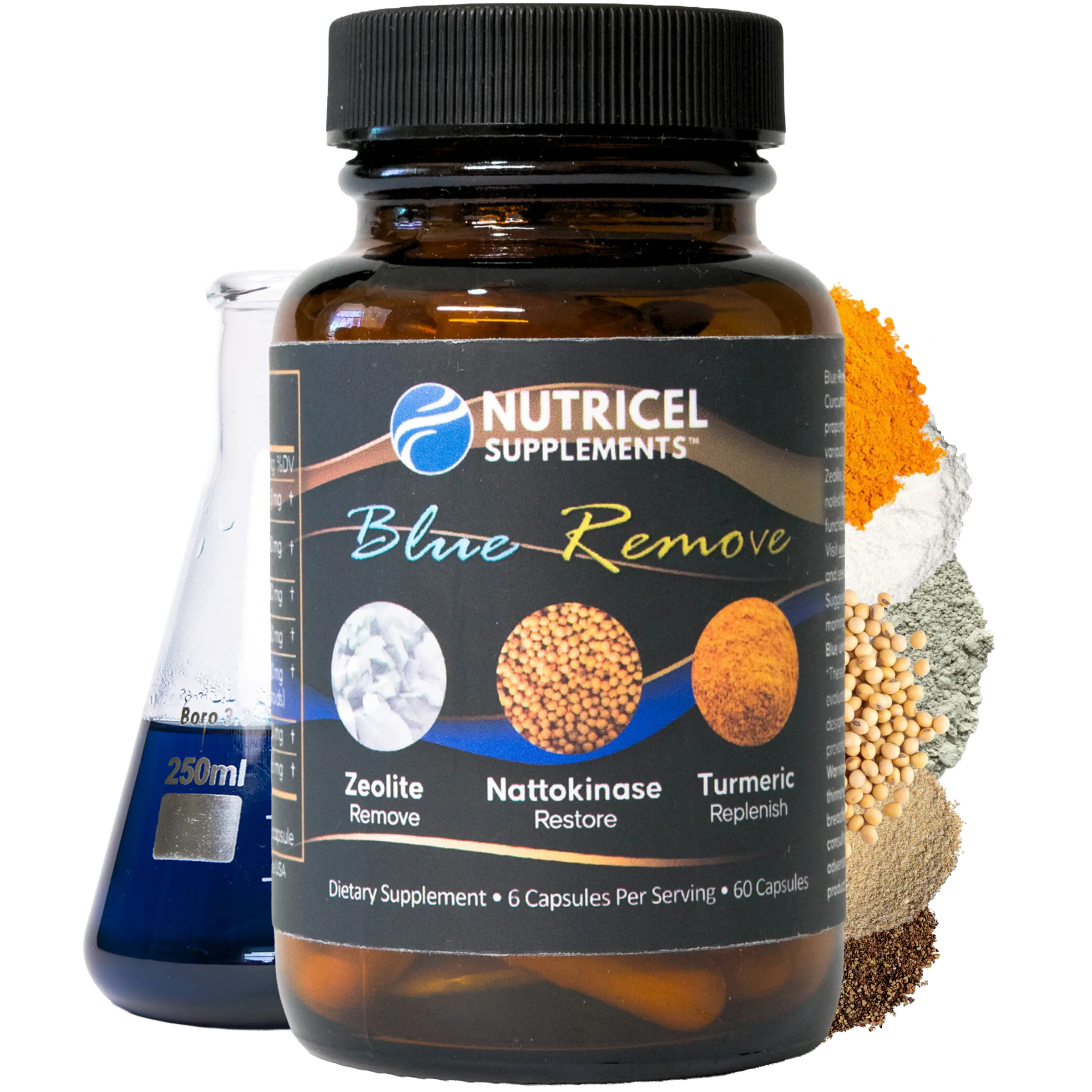
Blue Remove combines zeolite, curcumin, and nattokinase with methylene blue for detox and inflammatory response support.
The Bottom Line
Methylene blue and NAD+ work on the same energy chain from different angles. NAD+ is the coenzyme that carries electrons in, and NMN or NR are how most people try to raise it. Methylene blue is an outside compound that can shuttle electrons around part of the chain.
- NAD+ precursors raise NAD+ markers in people, but most trials have not found clear changes in energy, muscle, or metabolism.
- Methylene blue has strong cell and animal data and a small amount of human data, mostly short trials.
- Nobody has tested the two together in people.
- Methylene blue has a real interaction risk with serotonergic drugs that NAD+ precursors do not share.
- Check your medications against the adverse medications list before you start.
If you take methylene blue for daily focus and energy, Blue Boost is our core 12 mg capsule. Whether to add an NAD+ precursor is a question for your doctor.
Frequently Asked Questions
References
- Verdin E. NAD+ in aging, metabolism, and neurodegeneration. Science, 2015. PMID 26785480.
- Atamna H, Nguyen A, Schultz C, et al. Methylene blue delays cellular senescence and enhances key mitochondrial biochemical pathways. FASEB Journal, 2008. PMID 17928358.
- Rojas JC, Bruchey AK, Gonzalez-Lima F. Neurometabolic mechanisms for memory enhancement and neuroprotection of methylene blue. Progress in Neurobiology, 2012. PMID 22067440.
- Rodriguez P, Zhou W, Barrett DW, et al. Multimodal randomized functional MR imaging of the effects of methylene blue in the human brain. Radiology, 2016. PMID 27351678.
- Helander A, Cronholm T, Tottmar O. Inhibition of aldehyde dehydrogenases by methylene blue. Biochemical Pharmacology, 1993. PMID 8274146.
- Ramsay RR, Dunford C, Gillman PK. Methylene blue and serotonin toxicity: inhibition of monoamine oxidase A (MAO A) confirms a theoretical prediction. British Journal of Pharmacology, 2007. PMID 17721552.
- Massudi H, Grant R, Braidy N, et al. Age-associated changes in oxidative stress and NAD+ metabolism in human tissue. PLoS One, 2012. PMID 22848760.
- Trammell SA, Schmidt MS, Weidemann BJ, et al. Nicotinamide riboside is uniquely and orally bioavailable in mice and humans. Nature Communications, 2016. PMID 27721479.
- Martens CR, Denman BA, Mazzo MR, et al. Chronic nicotinamide riboside supplementation is well-tolerated and elevates NAD+ in healthy middle-aged and older adults. Nature Communications, 2018. PMID 29599478.
- Elhassan YS, Kluckova K, Fletcher RS, et al. Nicotinamide riboside augments the aged human skeletal muscle NAD+ metabolome and induces transcriptomic and anti-inflammatory signatures. Cell Reports, 2019. PMID 31412242.
- Dollerup OL, Chubanava S, Agerholm M, et al. Nicotinamide riboside does not alter mitochondrial respiration, content or morphology in skeletal muscle from obese and insulin-resistant men. Journal of Physiology, 2020. PMID 31710095.
- Yoshino M, Yoshino J, Kayser BD, et al. Nicotinamide mononucleotide increases muscle insulin sensitivity in prediabetic women. Science, 2021. PMID 33888596.
- Prokopidis K, Moriarty F, Bahat G, et al. The effect of nicotinamide mononucleotide and riboside on skeletal muscle mass and function: a systematic review and meta-analysis. Journal of Cachexia, Sarcopenia and Muscle, 2025. PMID 40275690.
- Yang W, Huang J, Tang Z, Chen C, Sun Y. Safety and metabolism-related outcomes of oral nicotinamide mononucleotide supplementation in adults: a systematic review and meta-analysis. Nutrients, 2026. PMID 42514320.
- Gallagher C, Emmanuel OO. NAD+ supplementation for anti-aging and wellness: a PRISMA-guided systematic review of preclinical and clinical evidence. Ageing Research Reviews, 2026. PMID 41655607.
- Doganay S, Ustundag H, Erbas E, et al. Assessment of methylene blue and NAD on LPS-induced acute brain injury in a rat endotoxemia model. Naunyn-Schmiedeberg's Archives of Pharmacology, 2026. PMID 42165863.
- U.S. National Library of Medicine, DailyMed. PROVAYBLUE (methylene blue) injection prescribing information. Boxed warning on serotonin syndrome, G6PD contraindication.
- U.S. Food and Drug Administration. Drug Safety Communication: methylene blue and serotonergic psychiatric medications. July 2011 (archived).
PubMed searches for methylene blue with NAD+, NMN, or nicotinamide riboside in human studies were run on November 4, 2026.
About the Author
Sam Carlson, Marketing Developer at Nutricel
Sam is a marketing developer at Nutricel who writes the Nutricel Insights series to help our customers understand methylene blue and make informed choices, translating the published research into plain language. Sam is not a medical professional, and these articles are intended as education rather than medical advice. Every figure in this piece is tied to the sources listed in the references. Always speak with your healthcare provider before starting any supplement.
These statements have not been evaluated by the Food and Drug Administration. This product is not intended to diagnose, treat, cure, or prevent any disease. This article is for general education and is not medical advice. Consult your healthcare provider before beginning any supplement, especially if you take medications, are pregnant or nursing, or have a medical condition.
| |||||||||||||||||||||||||||||||||||||||