

Methylene Blue and Creatine: What Each One Does and Why Blue Renew Includes Both
Quick Answer
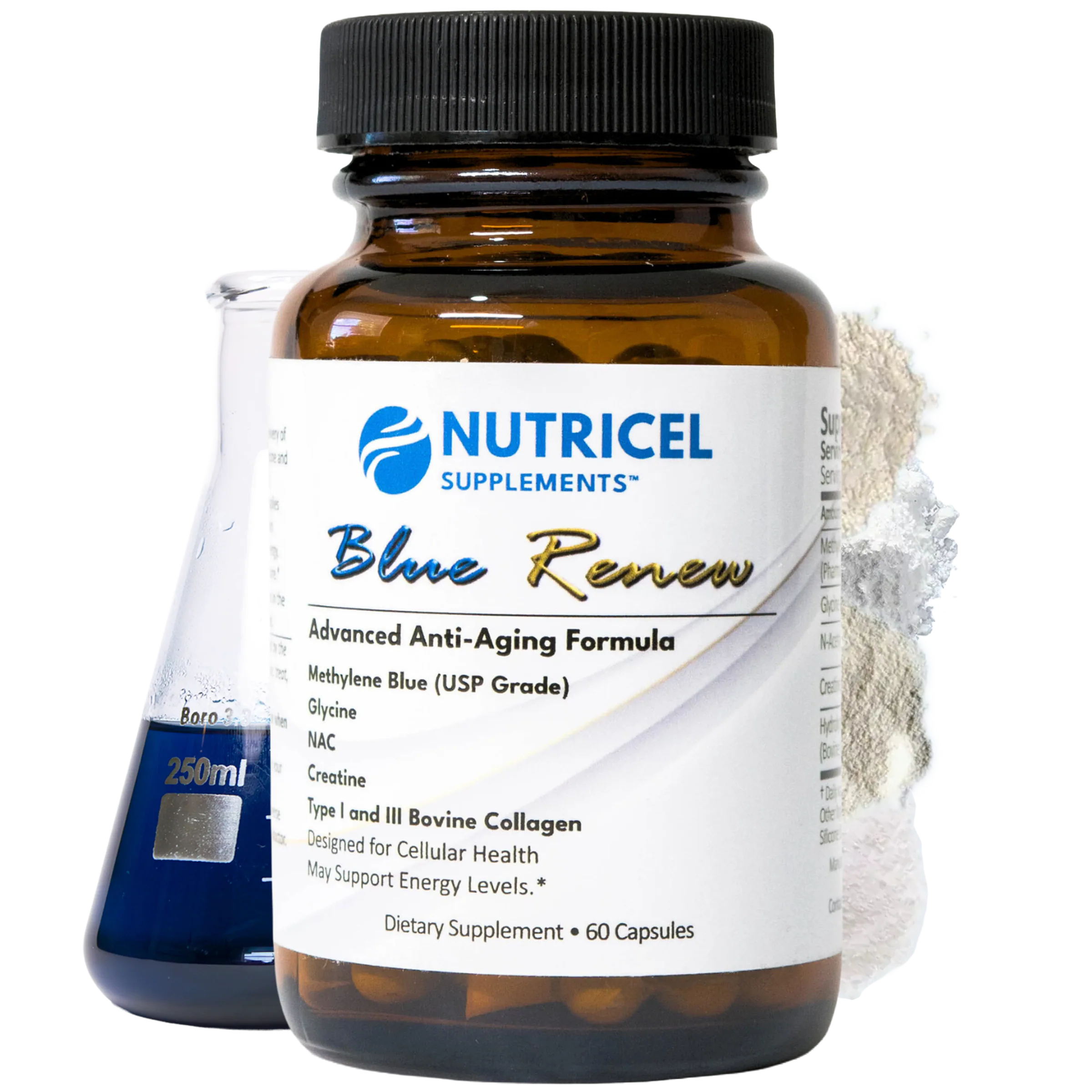
Methylene blue and creatine are two separate compounds, and Blue Renew contains both: 7 mg of USP-grade methylene blue and 86 mg of creatine monohydrate per capsule, along with glycine, NAC, and hydrolyzed collagen. Our product notes treat creatine as its own ingredient, studied for its role in the cell's quick energy reserve. We are not claiming the two work as a pair, and in a PubMed search we found no study that tested them together.
- Methylene blue. Published research describes it acting as an alternative electron carrier in mitochondria, mostly in cell and animal work. Effects in people are still being studied.
- Creatine. A 2024 meta-analysis of 16 trials reported benefits for memory and timed attention and processing speed tasks, but not for overall cognition. A 2026 commentary questions its statistics, so treat it as early evidence.
- Amounts. The creatine studies discuss gram-level intake. Blue Renew lists 86 mg per capsule.
Important: The FDA-approved ProvayBlue label warns that methylene blue can cause serious or fatal serotonin syndrome with serotonergic drugs, including SSRIs, SNRIs, and MAOIs (ProvayBlue label). Talk to your clinician first if you take any medication, and review the full adverse medications list.
Article Outline
| |||||||||||||||||||||||||||||||||||||||
What Methylene Blue Does in Blue Renew

Methylene blue is a redox-active molecule, which means it can accept electrons and pass them along. Cells make most of their energy in the mitochondria, where electrons move down a chain of protein complexes called the electron transport chain.
In a 2011 paper in the Journal of Biological Chemistry, Wen and colleagues reported that methylene blue worked as an alternative electron carrier in cultured cells, taking electrons from NADH and handing them to cytochrome c. Wen et al., 2011. A 2018 review by Tucker and colleagues summarizes the same rerouting and the in vitro and animal studies built around it. Tucker et al., 2018.
That is the research context, and it has limits. Most of it is in cells and animals, and it does not tell us what a 7 mg capsule does for any one person. Whether methylene blue changes energy or thinking in people is still being studied. Blue Renew lists a low 7 mg of USP-grade methylene blue per capsule.
What Creatine Does

Creatine is a compound your body makes from the amino acids arginine, glycine, and methionine, and you also get some from food. A 2022 review in Nutrients describes it as important for resynthesizing ATP, the cell's energy currency, especially when demand rises. The same review notes that the brain uses about 20 percent of resting energy while making up about 2 percent of body mass. Forbes et al., 2022.
Most creatine research is about muscle and exercise. The International Society of Sports Nutrition position stand reports that supplementation of up to 30 g per day for five years was safe and well tolerated in the healthy people and patient groups studied. Kreider et al., 2017.
Brain research is smaller. Forbes and colleagues call it a small body of accumulating research and say preliminary studies show supplementation can raise brain creatine in humans. A 2024 meta-analysis of 16 randomized trials with 492 participants reported positive effects on memory and on timed attention and processing speed tasks. It found no significant effect on attention scores, processing speed scores, overall cognitive function, or executive function, and the authors say larger trials are needed. Xu et al., 2024. A 2025 correction to the paper fixed the wording of the attention and processing speed results without changing its conclusions (Xu et al., 2025 correction). A 2026 commentary argues that the analysis counted several related test results from the same people as separate data points, which can overstate an effect, and notes that the European Food Safety Authority said in 2024 that no conclusions could be drawn from that data (Citherlet, 2026). Treat these results as early evidence.
Amounts matter. The ISSN review mentions 3 g per day as an example of low habitual intake and 30 g per day as the upper amount studied for safety. Blue Renew lists 86 mg of creatine monohydrate per capsule. We are not suggesting the capsule delivers what those trials used.
Why Blue Renew Includes Both

Here is what we can say, and no more. Blue Renew has four parts: methylene blue, creatine, glycine with NAC (together called GlyNAC), and hydrolyzed collagen. Our product notes describe creatine as a standalone ingredient, included for its role in the cell's phosphocreatine energy reserve and the research interest in brain function. The same notes say it does not depend on the other ingredients.
We are not claiming methylene blue and creatine boost each other. We searched PubMed on November 10, 2026 for studies of the two together and did not find one. The research on each stands on its own.
| Ingredient | Amount per capsule | Role in the formula |
|---|---|---|
| USP-grade methylene blue | 7 mg | Mitochondrial support |
| Creatine monohydrate | 86 mg | Cellular energy reserve |
| Glycine | 86 mg | GlyNAC pair |
| NAC (N-acetyl L-cysteine) | 86 mg | GlyNAC pair |
| Hydrolyzed collagen, Type I and III | 258 mg | Structural support for skin and connective tissue |
The center of the formula is GlyNAC. A 2021 pilot trial from Baylor College of Medicine studied glycine and NAC together in older adults. Kumar et al., 2021. That trial tested GlyNAC in general, not Blue Renew capsules. For the full ingredient story, see our Blue Renew breakdown.
Who Should Talk to a Clinician First
Check with your clinician before using methylene blue if any of these apply:
- You take an SSRI, an MAOI, or another serotonergic medication. In 2007, Ramsay and colleagues reported that methylene blue is a potent inhibitor of monoamine oxidase A in lab assays and said this could explain serotonin toxicity in patients on SSRIs (Ramsay et al.). A 2010 systematic review found that 24 of 26 patients who developed acute confusion after a methylene blue infusion were taking a serotonin reuptake inhibitor (Ng and Cameron, 2010). The ProvayBlue prescribing label carries a boxed warning about serotonin syndrome and says to avoid methylene blue with SSRIs, SNRIs, and MAOIs (ProvayBlue label).
- You have G6PD deficiency. The ProvayBlue label lists G6PD deficiency as a contraindication because of the risk of hemolytic anemia (ProvayBlue label). A review in the American Journal of Therapeutics also notes special risks for people with G6PD deficiency (Clifton and Leikin, 2003). See our G6PD article.
- You are pregnant or nursing, or you have a medical condition.
- You already take creatine in another supplement. Count that amount too.
Review the full adverse medications list and our drug interactions guide. We found no published interaction between methylene blue and creatine, but that is not a reason to skip the conversation with your clinician.
Which Nutricel Product Is Right for You
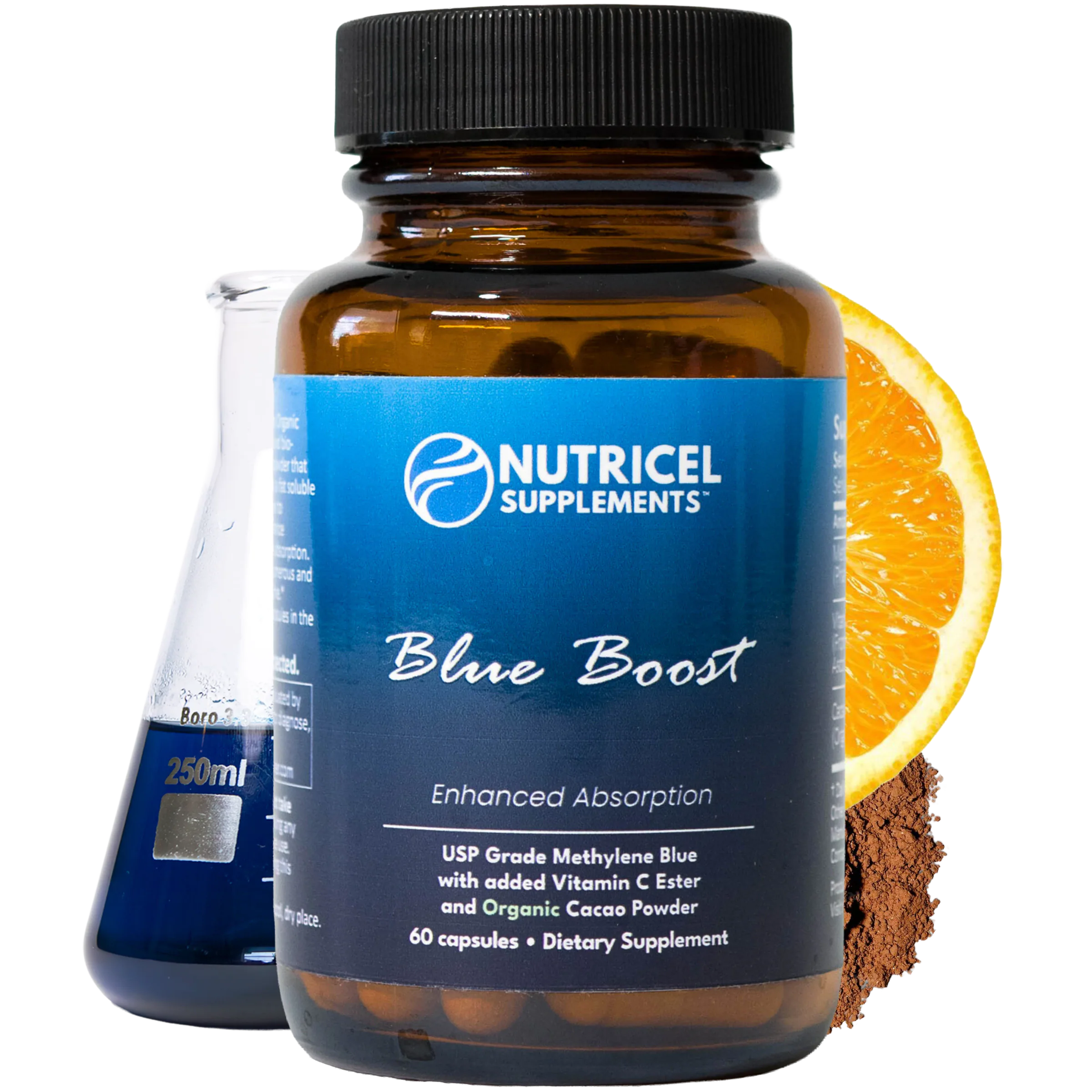
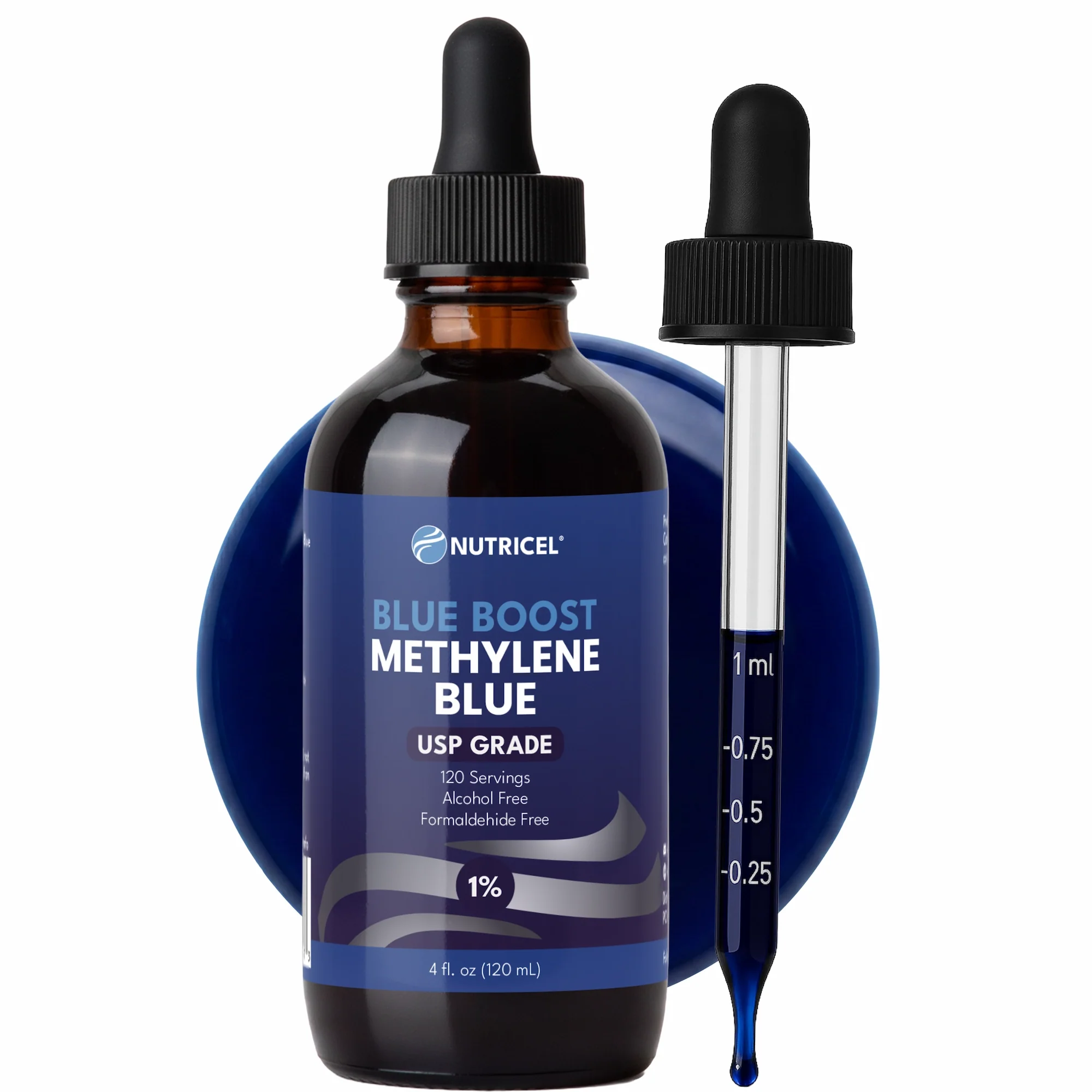
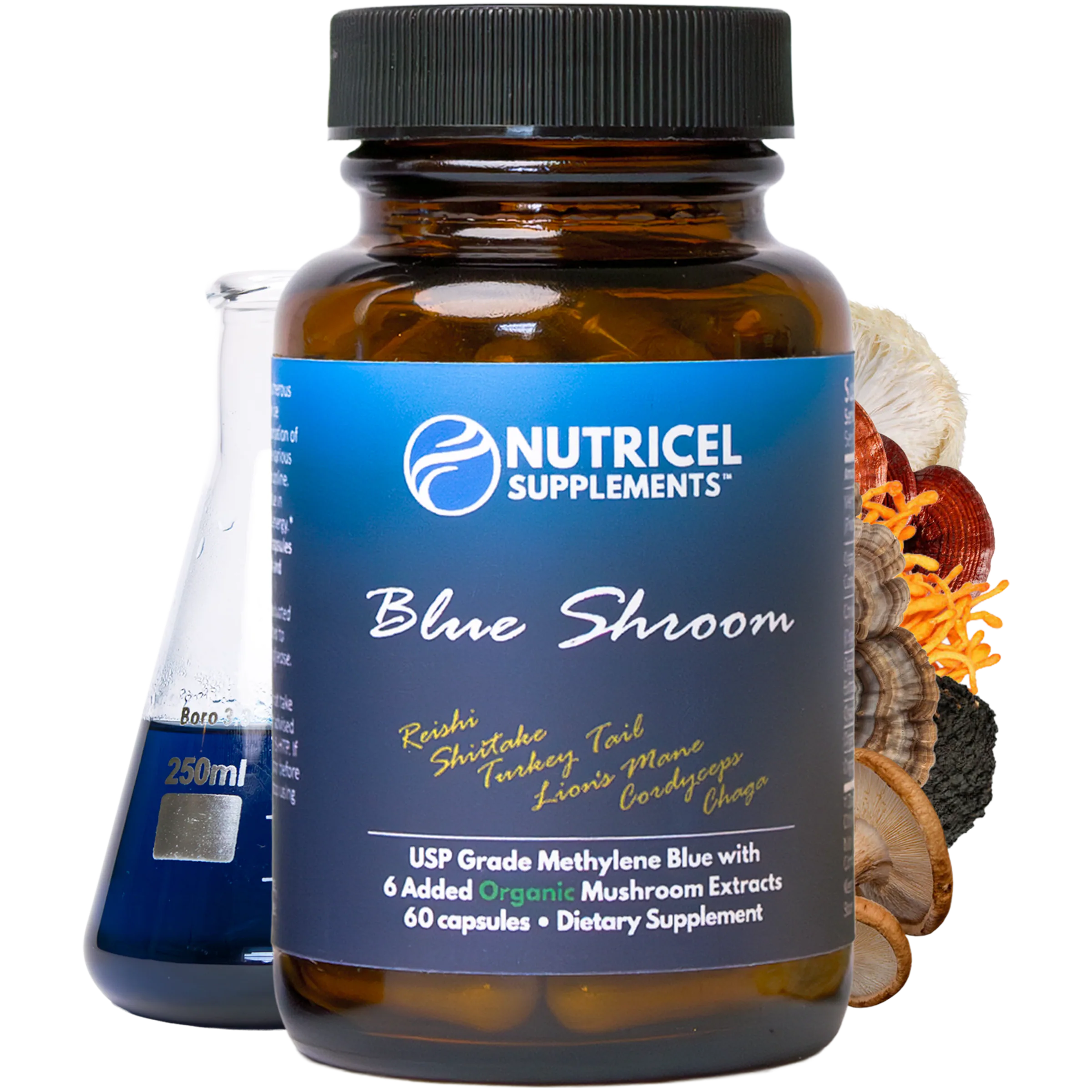
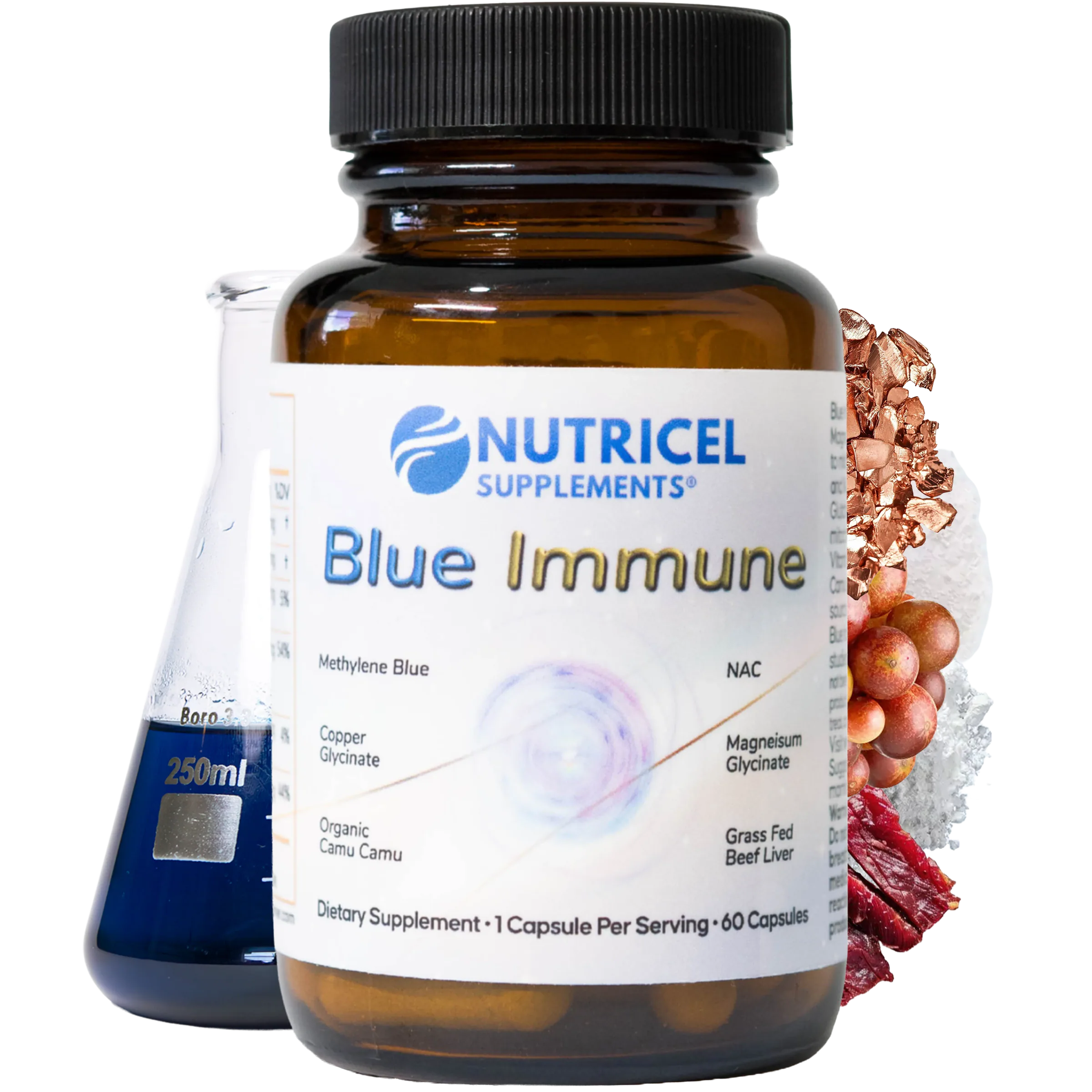
Blue Renew is the only formula in the Nutricel Supplements line that lists creatine. Here is the whole line side by side. See Blue Renew on nutricel.store.
| Product | Methylene blue listed | Focus |
|---|---|---|
| Blue Boost | 12 mg per capsule | Energy and mental clarity |
| Blue Renew | 7 mg per capsule | Anti-aging and brain support, with GlyNAC, collagen, and creatine |
| Blue Shroom | 7 mg per capsule | Mushroom-based cognitive and energy support |
| Blue Immune | 6 mg per capsule | Fatigue and energy support |
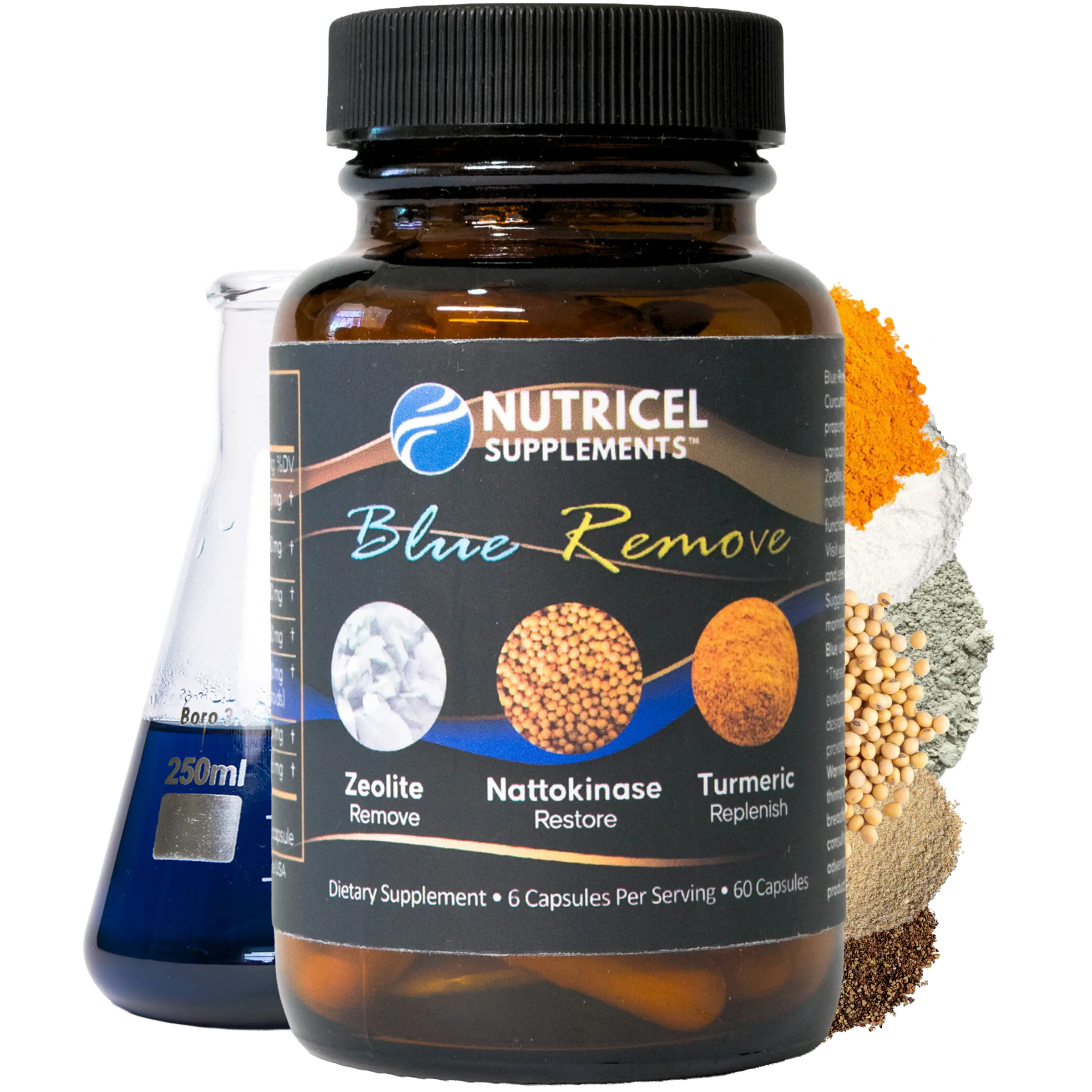
| Blue Remove | 8 mg per 6-capsule serving | Detox support |
| Blue Liquid | 1% solution (10 mg per mL) | Liquid dropper format |
The Bottom Line
Methylene blue and creatine are studied for different jobs in the cell, and nobody has published a study of them together. Blue Renew lists both because each has its own research behind it, at amounts that are not the same as the study amounts. If you take any medication, talk to your clinician before you start.
Frequently Asked Questions
References
Methylene blue
Creatine
GlyNAC
Further reading
About the Author
Sam Carlson, Marketing Developer at Nutricel
Sam is a marketing developer at Nutricel who writes the Nutricel Insights series to help our customers understand methylene blue and make informed choices, translating the published research into plain language. Sam is not a medical professional, and these articles are intended as education rather than medical advice. Every figure in this piece is tied to the studies listed in the references, and you should always speak with your healthcare provider before starting any supplement.
These statements have not been evaluated by the Food and Drug Administration. This product is not intended to diagnose, treat, cure, or prevent any disease. This article is for general education and is not medical advice. Consult your healthcare provider before beginning any supplement, especially if you take medications, are pregnant or nursing, or have a medical condition.